
Moisture is one of the most common and damaging issues that can affect your home. Excess moisture can lead to mold growth, wood rot, structural damage, health problems, and more. That’s why it’s important to identify and prevent moisture problems before they become serious and costly.
In this blog post, we’ll share some of the most common sources and signs of moisture problems in your home, and how you can prevent them with regular home inspections and maintenance.
Sources of Moisture Problems
Moisture problems can originate from various sources, both inside and outside your home. Some of the most common sources are:
-
Roof leaks: Damaged or missing shingles, flashing, vents, or gutters can allow water to seep into your attic or walls, causing mold and rot.
-
Plumbing leaks: Faulty pipes, faucets, valves, or appliances can cause water to leak behind walls, under floors, or in cabinets, creating hidden moisture problems.
-
Foundation cracks: Cracks in your foundation can allow water to enter your basement or crawl space, especially during heavy rain or snow melt.
-
Poor ventilation: Lack of proper ventilation in your kitchen, bathroom, laundry room, or attic can trap moisture and humidity in the air, creating condensation on windows, walls, ceilings, or ducts.
-
High humidity: High humidity levels in your home can make it feel damp and uncomfortable, and promote mold growth and dust mites.
Signs of Moisture Problems
Moisture problems can sometimes be obvious, but other times they can be subtle and hard to detect. Some of the most common signs of moisture problems are:
-
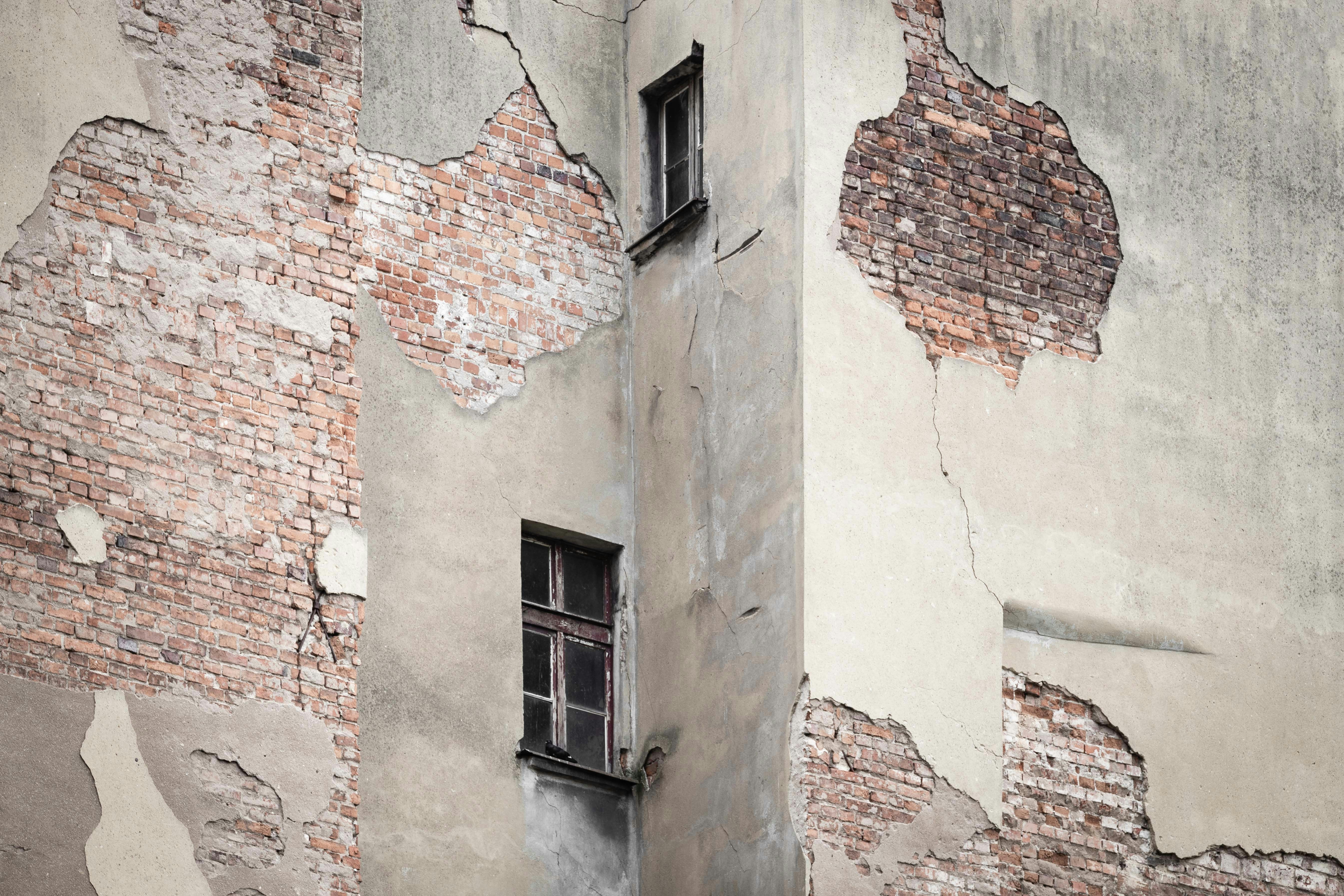
Visible mold: Mold is a fungus that thrives in moist and dark environments. It can appear as black, green, white, or yellow spots or patches on walls, ceilings, floors, or furniture. Mold can cause allergic reactions, respiratory infections, asthma attacks, and other health issues.
-
Musty odors: Musty odors are often a sign of mold or mildew growth. They can also indicate water damage or decay in your home.
-
Stains or discoloration: Stains or discoloration on walls, ceilings, floors, or carpets can indicate water leaks or seepage. They can also be a sign of mold growth or rot.
-
Peeling paint or wallpaper: Peeling paint or wallpaper can be caused by excess moisture in the walls or ceilings. Moisture can also cause bubbling, cracking, or warping of paint or wallpaper.
-
Wood damage: Wood damage can be caused by moisture exposure or insect infestation. Moisture can cause wood to swell, shrink, warp, split, rot, or decay. Insects such as termites or carpenter ants can feed on moist wood and damage its structure.
-
Rust or corrosion: Rust or corrosion can affect metal components in your home such as pipes, ducts, nails, screws, hinges, or appliances. Moisture can cause metal to oxidize and deteriorate over time.
How to Prevent Moisture Problems
Moisture problems can be prevented by taking some simple steps to keep your home dry and well-ventilated. Here are some tips to prevent moisture problems:
-
Inspect your roof regularly: Check your roof for any signs of damage or wear and tear. Replace any missing or broken shingles, flashing, vents, or gutters. Seal any gaps or cracks around chimneys, skylights, or vents. Clean your gutters and downspouts regularly to prevent clogging and overflow.
-
Fix any plumbing leaks promptly: Inspect your plumbing system for any leaks or drips. Repair any faulty pipes, faucets, valves, or appliances. Replace any damaged or worn-out hoses, washers, or seals. Install water sensors or alarms to detect leaks early.
-
Improve your ventilation: Ventilate your kitchen, bathroom, laundry room, and attic with exhaust fans or windows. Use a dehumidifier or air conditioner to reduce humidity levels in your home. Change your air filters regularly to improve air quality and circulation. Avoid drying clothes indoors or storing wet items in your home.
-
Monitor your humidity levels: Use a hygrometer to measure the humidity levels in your home. Ideally, they should be between 30% and 50%. If they are too high, use a dehumidifier or air conditioner to lower them. If they are too low, use a humidifier or plants to increase them.
-
Inspect your foundation and basement: Check your foundation and basement for any cracks or gaps. Seal any openings with caulk or epoxy. Install a sump pump or drain tile system to prevent water accumulation in your basement or crawl space. Insulate your pipes and ducts to prevent condensation.
-
Schedule regular home inspections: One of the best ways to prevent moisture problems is to have your home inspected by a professional home inspector. A home inspector can identify and diagnose any existing or potential moisture issues in your home, and provide you with recommendations on how to fix them.
At Pluspect Services, we have the experience and expertise to help you protect your home from moisture problems. We use state-of-the-art tools and techniques to inspect every aspect of your home, from the roof to the foundation. We provide you with a comprehensive and detailed report on the condition of your home, along with photos and videos for reference.
If you’re looking for a reliable and trustworthy home inspection company in Vancouver area, look no further than Pluspect Home Inspection Services. Contact us today to book your home inspection and get peace of mind about your home.