
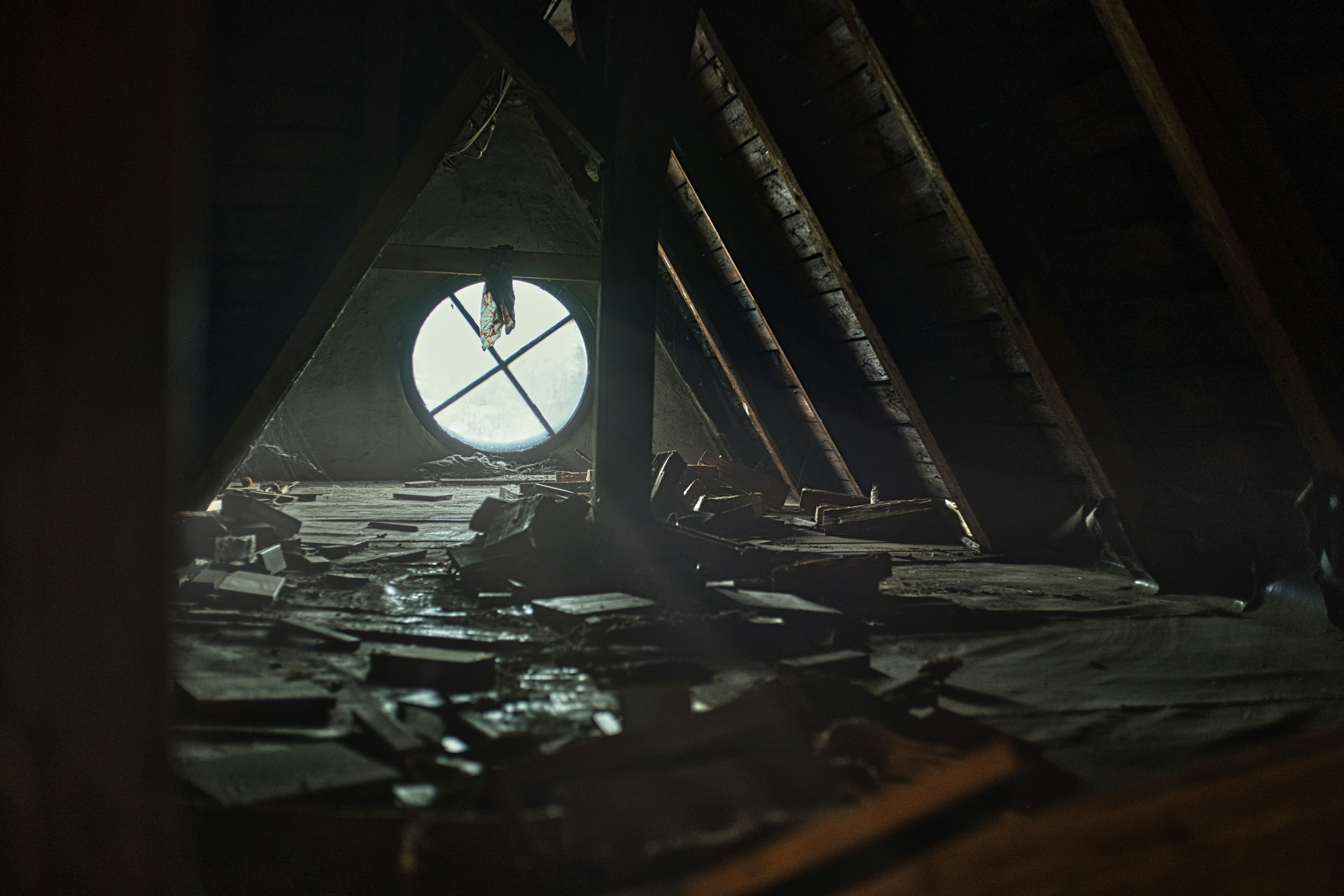
Do you want to lower your energy bills, increase your comfort and add value to your home? If so, you need to pay attention to your attic insulation. Attic insulation is one of the most important and cost-effective home improvement projects you can do, but it can also be confusing and overwhelming. There are different types of insulation, different R-values, different installation methods and different maintenance tips. How do you know which one is right for your home?
Don’t worry, we’ve got you covered. In this ultimate guide to attic insulation for Canadian homes, we will explain everything you need to know about attic insulation, from why it matters to how to choose it to how to maintain it. By the end of this guide, you will be able to make an informed decision and enjoy the benefits of a well-insulated attic.
Why You Need Attic Insulation
Attic insulation is not just a nice-to-have feature in your home. It is a necessity that can make a huge difference in your home’s performance, comfort and value. Here are some of the benefits of attic insulation:
-
Energy efficiency: Attic insulation prevents heat loss in the winter and heat gain in the summer, reducing the amount of energy you need to heat and cool your home. This can save you up to 30% on your utility bills and reduce your carbon footprint.
-
Comfort: Attic insulation creates a more consistent and comfortable indoor temperature by eliminating hot and cold spots and drafts. This can improve your health and well-being and make your home more enjoyable.
-
Protection: Attic insulation protects your home from moisture damage, ice dams, mould growth and pest infestation by keeping your attic dry and well-ventilated. This can prevent costly repairs and extend the lifespan of your roof and structure.
How to Measure Your Attic Insulation
Before you decide to add or replace your attic insulation, you need to measure your existing insulation to see if it meets the recommended standards for your location, climate and building code. The key factor to measure is the R-value, which indicates how well the insulation resists heat flow. The higher the R-value, the better the insulation.
To measure your attic insulation, you need to check three things: its thickness, type and condition. Here are some steps to follow:
-
Use a tape measure or a ruler to measure the depth of the insulation in different areas of your attic. Record the measurements in inches or centimeters.
-
Look for labels or markings on the insulation that indicate its type and R-value. If you can’t find any labels or markings, try to identify the type of insulation by its appearance and texture. The most common types of attic insulation are fibreglass batts (fluffy pink or yellow stuff), mineral wool batts (dense grey or brown stuff), cellulose loose-fill (shredded paper-like stuff) and spray foam (hard foam-like stuff).
-
Inspect your attic insulation for signs of damage or deterioration, such as wetness, mould, gaps, compression or pest infestation. Damaged insulation can lose its R-value and compromise its performance. If you find any problems with your attic insulation, you should replace it or add more insulation on top of it.
To calculate the R-value of your attic insulation, you need to multiply the depth of the insulation by its R-value per inch. For example, if you have 10 inches of fibreglass batts with an R-value of 3 per inch, the total R-value is 10 x 3 = 30. You can also use online calculators or charts to determine the R-value of your attic insulation.
The recommended R-value for attic insulation depends on your location, climate and building code. For example, in British Columbia, the minimum R-value for attic insulation ranges from R40 to R60, depending on the zone. You can check with your local building department or energy advisor to find out the optimal R-value for your home.
How to Choose Your Attic Insulation
Once you have measured your existing attic insulation and determined how much additional R-value you need, you need to choose the best type of insulation for your home. There are four main types of attic insulation products on the market today: fibreglass batts, mineral wool batts, cellulose loose-fill and spray foam. Each of these options has different qualities and attributes that may inform your choice of materials.
Here are some factors to consider when choosing attic insulation:
-
Cost: The cost of attic insulation varies depending on the type, amount and installation method. Generally speaking, fibreglass batts are the cheapest option, followed by mineral wool batts, cellulose loose-fill and spray foam. However, you should also factor in the long-term savings from improved energy efficiency and durability.
-
Ease of installation: The ease of installation depends on the accessibility and shape of your attic, as well as your DIY skills and equipment. Fibreglass batts and mineral wool batts are relatively easy to install by laying them between or over the joists. Cellulose loose-fill requires a special machine to blow it into place. Spray foam requires professional installation by a certified contractor.
-
Performance: The performance of attic insulation depends on its R-value per inch, air sealing ability and moisture resistance. Spray foam offers the highest R-value per inch and the best air sealing ability, but it is also the most expensive and requires proper ventilation. Cellulose loose-fill has a lower R-value per inch than spray foam, but it is better at filling gaps and irregular spaces. Mineral wool batts have a higher R-value per inch than fibreglass batts, but they are also heavier and more prone to sagging. Fibreglass batts have the lowest R-value per inch and are less effective at stopping air leaks, but they are also lightweight and easy to handle.
-
Environmental impact: The environmental impact of attic insulation depends on its embodied energy, recycled content and greenhouse gas emissions. Cellulose loose-fill has the lowest embodied energy and the highest recycled content, as it is made from recycled newspapers treated with fire retardants. Mineral wool batts have a moderate embodied energy and recycled content, as they are made from natural or synthetic fibres melted and spun into mats. Fibreglass batts have a high embodied energy and a low recycled content, as they are made from glass fibers bonded with resin. Spray foam has the highest embodied energy and greenhouse gas emissions, as it is made from petroleum-based chemicals that expand when sprayed.
How to Maintain Your Attic Insulation
Once you have chosen and installed the right attic insulation for your home, you need to maintain it regularly to ensure its optimal performance. Here are some tips on how to maintain your attic insulation:
-
Check your attic insulation at least once a year for signs of damage or deterioration. Look for wetness, mould, gaps, compression or pest infestation. If you find any problems with your attic insulation, repair or replace it as soon as possible.
-
Keep your attic well-ventilated by installing roof vents or fans that allow air to circulate freely through your attic space. This will prevent moisture buildup, ice dams and overheating that can damage your roof and insulation.
-
Avoid storing items in your attic that can compress or disturb your insulation. If you need to use your attic for storage, use boards or platforms to create a raised floor over your insulation. Do not cover or block any vents or fans with your stored items.
-
Avoid walking on or touching your attic insulation unless necessary. Wear protective clothing, gloves, goggles and a mask when handling insulation materials. Wash your hands thoroughly after contact with any insulation products.
Conclusion
Attic insulation is an essential component of any Canadian home that can help you save money on energy bills, improve comfort levels and protect your home from damage. By following these guidelines on how to choose and maintain the right attic insulation for your home, you can enjoy the benefits of a well-insulated attic for years to come.
At Pluspect Services, we have the experience and expertise to help you protect your home from any problems. We use state-of-the-art tools and techniques to inspect every aspect of your home, from the roof to the foundation. We provide you with a comprehensive and detailed report on the condition of your home, along with photos and videos for reference.
If you’re looking for a reliable and trustworthy home inspection company in Vancouver area, look no further than Pluspect Home Inspection Services. Contact us today to book your home inspection and get peace of mind about your home.