
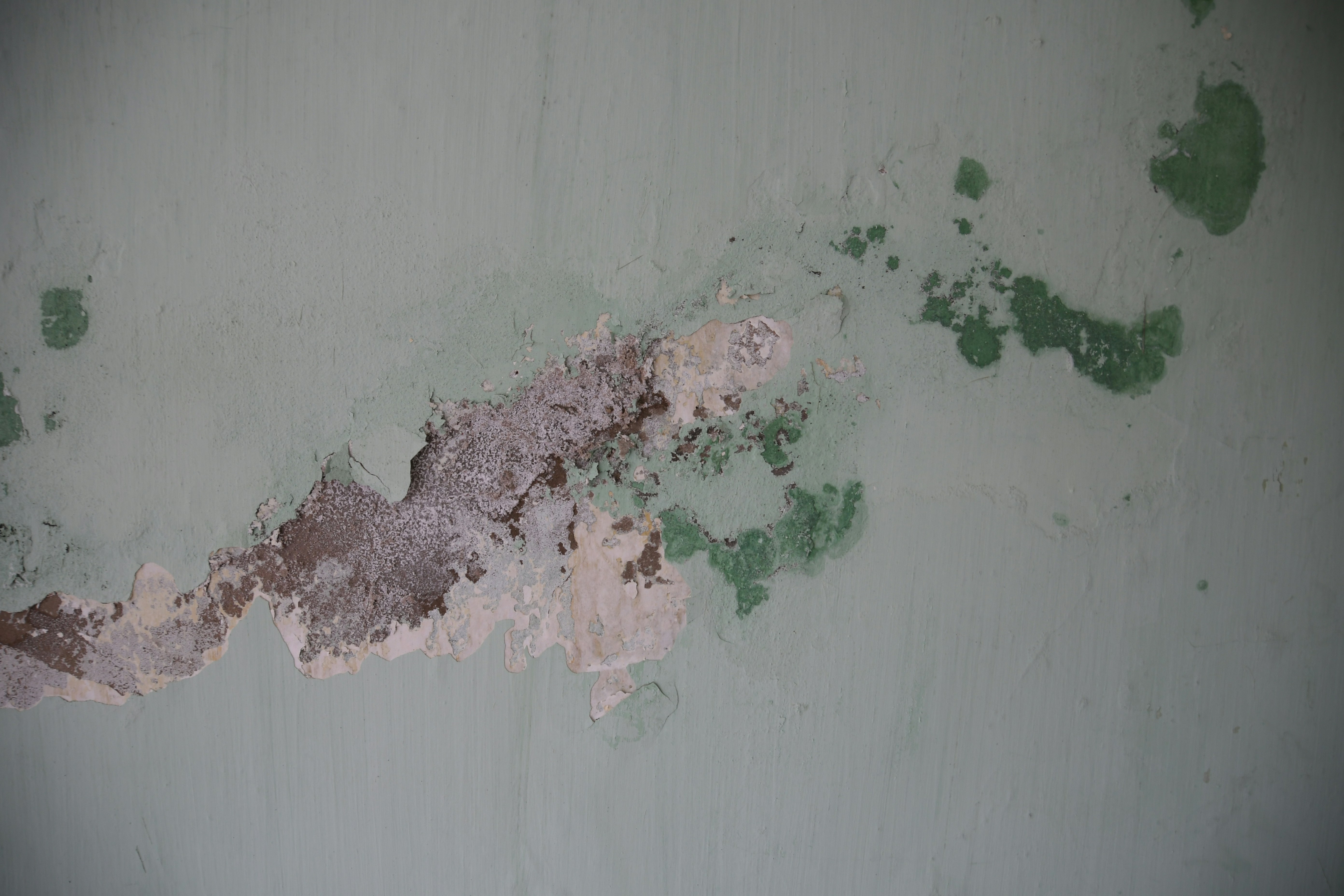
Mould is a type of fungus that can grow on food or materials in homes or other buildings. Mould can affect the quality and safety of your indoor air and cause health problems such as eye, nose and throat irritation, coughing, wheezing, asthma symptoms and allergic reactions. Some people are more sensitive to mould than others, such as children, seniors, pregnant people and those with respiratory conditions.
Mould needs moisture and organic matter to grow. Mould can grow anywhere there is dampness or water damage, such as in bathrooms, kitchens, basements, attics, crawl spaces, closets or around windows. Mould can also grow on furniture, carpets, fabrics, paper, wood or insulation.
The best way to deal with mould is to prevent it from growing in the first place by controlling moisture and humidity levels in your home. If you already have mould, you need to remove it as soon as possible and fix the cause of the problem. In this blog post, we will explain how to prevent and remove mould in your home, as well as when to seek professional help.
How to Prevent Mould
Preventing mould is easier and cheaper than removing it. Here are some tips on how to prevent mould in your home:
– Keep your home dry and well ventilated. Use exhaust fans or open windows when cooking, showering or doing laundry. Avoid drying clothes indoors or using humidifiers unless necessary. Use dehumidifiers or air conditioners in humid areas or seasons. Keep the humidity level below 50% in your home.
– Fix any leaks or water problems as soon as possible. Check your roof, pipes, faucets, appliances and drains for leaks or drips. Repair any cracks or holes in your walls, floors or ceilings. Clean up any spills or floods within 24 to 48 hours. Replace any wet or damaged materials such as carpets, drywall or insulation.
– Clean and maintain your home regularly. Dust and vacuum your floors, furniture and fabrics often. Wash your bedding, curtains and towels frequently. Wipe down your countertops, sinks and showers with soap and water or a mild bleach solution. Discard any spoiled food or clutter that could attract mould.
– Reduce condensation on cold surfaces. Insulate your walls, ceilings, windows and pipes to prevent heat loss and moisture buildup. Use storm windows or double-glazed windows to reduce temperature differences. Keep your indoor temperature warm enough to prevent cold spots.
– Monitor for signs of mould growth. Look for stains, discolouration, musty odours or visible mould on your walls, ceilings, floors or belongings. Use a flashlight to check dark or hidden areas such as behind furniture or appliances. If you see or smell mould, act quickly to remove it and fix the cause.
How to Remove Mould
If you find mould in your home, you need to remove it as soon as possible to protect your health and prevent further damage. The method of removal depends on the size and location of the mould growth. Health Canada classifies the amount of mould as:
– Small: if there are 1 – 3 patches, each less than 1 m2 (10 square feet) in size
– Medium: if there are more than 3 patches or if the patches are greater than 1 m2 but less than 3 m2 (32 square feet)
– Extensive: if the patch is larger than 3 m2
If the contaminated area is small to medium:
– Wear personal protective equipment such as safety glasses or goggles, a disposable N95 respirator (mask), and household disposable gloves.
– Isolate the area by taping plastic sheeting to the walls and ceiling to prevent the spread of dust and mould particles.
– Vacuum the area with a HEPA vacuum cleaner before and after cleaning.
– Clean the mould by using water and dish detergent. Scrub the affected surface with a stiff brush until all visible mould is gone.
– Rinse the surface with clean water and dry it thoroughly with a cloth or a fan.
– Dispose of any materials that cannot be cleaned such as carpets, fabrics or insulation. Seal them in plastic bags and throw them away.
– Disinfect the area with a mild bleach solution (1 part bleach to 9 parts water) or a commercial mould remover. Spray or wipe the solution on the surface and let it sit for 15 minutes. Rinse the surface with clean water and dry it thoroughly.
– Replace any materials that were removed or damaged such as drywall or insulation.
If the contaminated area is extensive:
– Consider hiring a professional mould remediation company to do the job. They have the expertise and equipment to safely and effectively remove large amounts of mould.
– If you decide to do it yourself, follow the same steps as for small to medium areas, but use more protective equipment such as a full-face respirator, disposable coveralls and rubber boots.
– Isolate the area by sealing all openings such as doors, windows and vents with plastic sheeting and duct tape. Use negative air pressure machines or fans to exhaust the air outside.
– Remove any materials that are wet or mouldy such as carpets, fabrics, drywall or insulation. Seal them in plastic bags and throw them away.
– Clean and disinfect the remaining surfaces with water and detergent, followed by a mild bleach solution or a commercial mould remover. Rinse and dry the surfaces thoroughly.
– Replace any materials that were removed or damaged such as drywall or insulation.
When to Seek Professional Help
You may need to seek professional help for mould removal if:
– The mould growth is extensive (larger than 3 m2) or hard to reach (such as inside walls or ducts).
– The mould growth is caused by sewage backup, flooding or other contaminated water sources.
– You have health problems that may be worsened by mould exposure, such as asthma, allergies or immune system disorders.
– You are unsure how to safely and effectively remove the mould yourself.
To find a qualified mould remediation company, you can:
– Ask for recommendations from your friends, family, neighbours or local health authorities.
– Check online reviews, ratings or complaints from previous customers.
– Ask for references, credentials, insurance and warranty from potential contractors.
– Compare prices, services and timelines from different contractors.
Conclusion
Mould is a type of fungus that can grow on food or materials in homes or other buildings. Mould can affect the quality and safety of your indoor air and cause health problems such as eye, nose and throat irritation, coughing, wheezing, asthma symptoms and allergic reactions. The best way to deal with mould is to prevent it from growing in the first place by controlling moisture and humidity levels in your home. If you already have mould, you need to remove it as soon as possible and fix the cause of the problem.
In this blog post, we have explained how to prevent and remove mould in your home, as well as when to seek professional help. We hope this guide has helped you learn more about mould and how to deal with it.
If you need more help or advice on mould in your home, you can contact us at pluspect.ca. We are a professional home inspection company that offers quality services for all your home improvement needs. Whether you need to inspect, test or remove mould in your home, we have the knowledge and skills to help you achieve your goals. Contact us today for a free quote or consultation and get ready to enjoy the benefits of a healthy and mould-free home.