
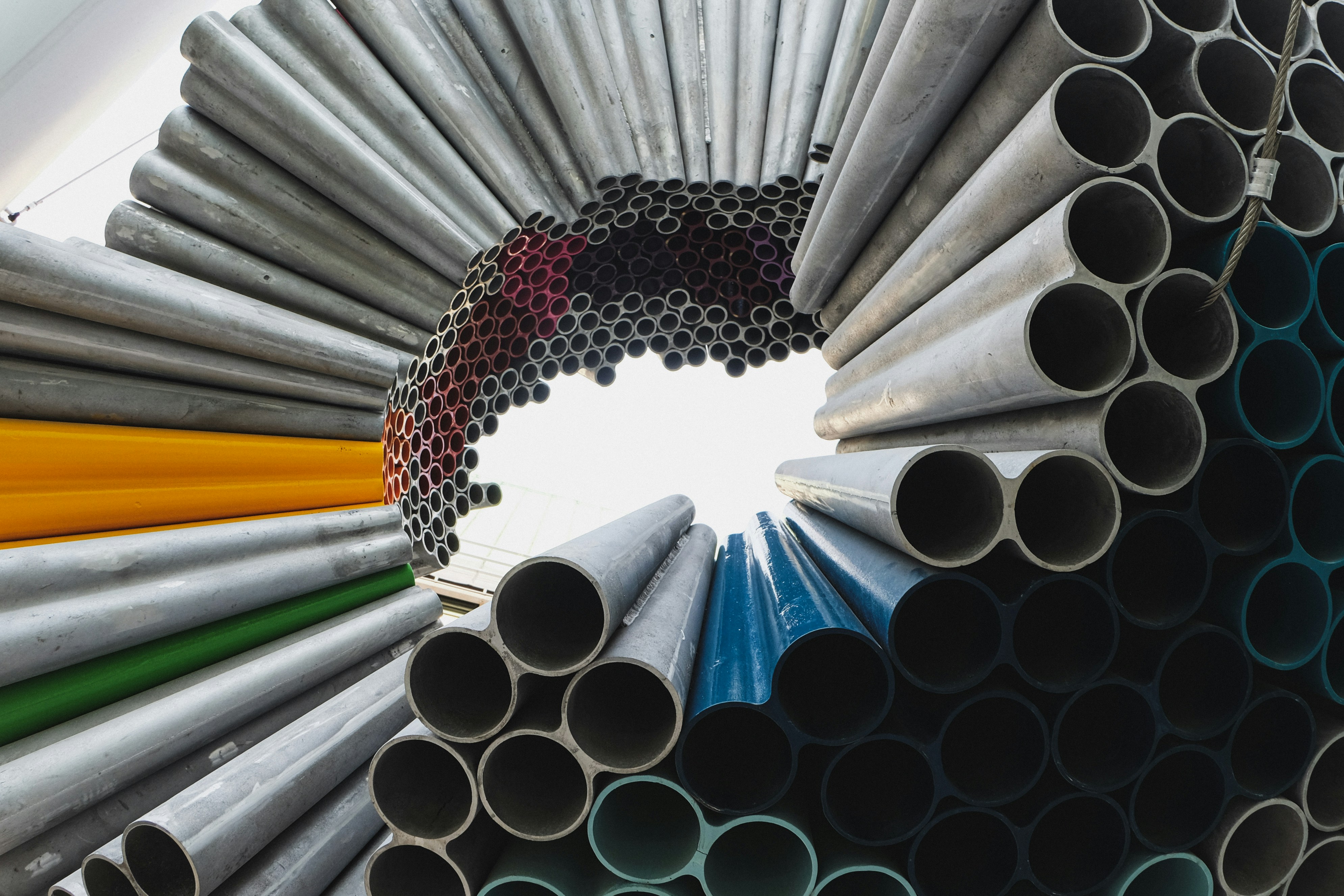
The pipes in your home are a crucial part of your plumbing system, responsible for carrying water and waste to and from your home. At PlusPect, we’ve inspected countless homes across Canada and have come across several common types of pipes. Here’s a guide to some of them:
1. Copper pipes: Copper pipes are a popular choice in Canadian homes due to their durability and longevity. They are also resistant to corrosion and can withstand high water pressure. Copper pipes are commonly used for both hot and cold water supply lines. The lifespan of copper pipes is typically around 50 years. One disadvantage of copper pipes is that they can be expensive, especially if the fittings are soldered. Additionally, copper pipes can be prone to pinhole leaks over time.
2. PEX pipes: PEX pipes are a newer type of piping that have gained popularity in recent years. They are made of cross-linked polyethylene and are known for their flexibility and resistance to freezing. PEX pipes are commonly used for both hot and cold water supply lines. The lifespan of PEX pipes is typically around 50 years. One disadvantage of PEX pipes is that they can be damaged by exposure to UV light, so they should be installed in areas that are not exposed to sunlight.
3. PVC pipes: PVC pipes are a type of plastic piping commonly used for drainage and sewage lines. They are lightweight, easy to install, and resistant to corrosion. PVC pipes are also a more affordable option compared to other types of pipes. The lifespan of PVC pipes is typically around 25 years. One disadvantage of PVC pipes is that they can become brittle over time, especially when exposed to extreme temperatures.
4. Galvanized steel pipes: Galvanized steel pipes were commonly used in older homes, particularly those built before the 1960s. They are made of steel that has been coated in zinc, which provides some protection against corrosion. However, galvanized steel pipes are prone to rusting and can become clogged with mineral deposits over time. The lifespan of galvanized steel pipes is typically around 40 years.
5. Cast iron pipes: Cast iron pipes were commonly used for drainage and sewage lines in older homes, particularly those built before the 1970s. They are known for their durability and longevity, but can be prone to corrosion and can become clogged with debris over time. The lifespan of cast iron pipes is typically around 75-100 years.
It’s important to note that different types of pipes may have different lifespans and may require different maintenance and repair strategies. At PlusPect, our certified home inspectors can help identify the types of pipes in your home and provide recommendations for maintaining and repairing them as needed.
In addition to our plumbing inspections, PlusPect offers a range of other inspection services, including electrical inspections, foundation inspections, and HVAC inspections. Our team of experts uses state-of-the-art equipment and the latest techniques to provide comprehensive and accurate inspections, ensuring that your home is safe and secure.
At PlusPect, we prioritize the safety and well-being of our clients. Contact us today to schedule your plumbing inspection and take the first step towards a safer, more secure home.